







Search Results for: dense and compact
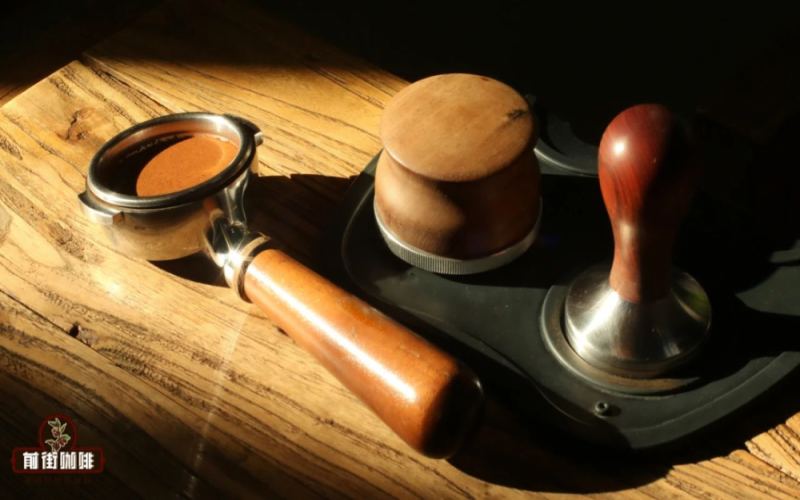
An Analysis of the Differences Between Espresso Distribution Tools and Tampers: The Correct Operating Method from Distribution to Tamping
When making espresso, a leveler and a tamper are two indispensable tools. Many people wonder: after leveling, the surface of the coffee bed is already flat, so why do we still need to tamp? In fact, leveling and tamping each serve a different purpose. Leveling aims to distribute the coffee grounds evenly and reduce channeling; tamping compacts the loose coffee bed to withstand the impact of high-pressure water flow. This article will take a deep dive into the differences and connections between the two, explain the correct technique for using a tamper in detail, and answer common questions such as whether you can tamp a second time when the tamp is uneven, helping you pull an evenly extracted espresso at home. [more…]
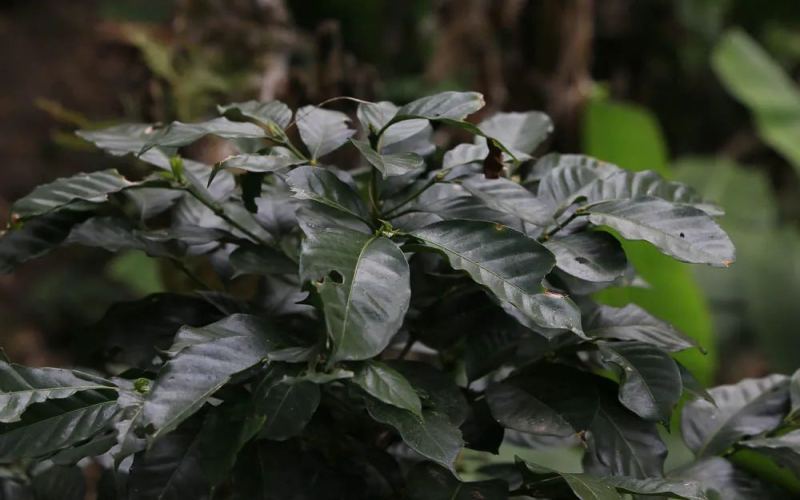
A Comprehensive Analysis of the Catimor Coffee Variety: The Robusta Genes Behind Its Disease Resistance and High Yield, and the Flavor Controversy
Catimor is a coffee variety bred by crossing Timor and Caturra. Developed in 1959 by CIFC in Portugal, it is known for its disease resistance and high yield, and is widely planted in Central and South America. It inherits the Robusta genes of Timor, giving it extremely strong resistance to leaf rust and berry disease. The plant is short and compact, suitable for dense planting, and its yield far exceeds that of traditional varieties. Currently, 99% of Yunnan's coffee production comes from Catimor. However, the Robusta genes also bring controversy in terms of flavor—when grown at high altitudes, its cupping performance is noticeably inferior to varieties such as Bourbon and Caturra, and the increased chlorogenic acid content brings bitterness and an unpleasant acidity. This article will provide a comprehensive analysis of Catimor's varietal origins, plant characteristics, and flavor controversies, and, using the high-mountain Catimor of Lujiangba in Baoshan, Yunnan as an example, combined with Front Street Coffee's roasting recommendations, explore this variety's positioning and value in the specialty coffee era. [more…]
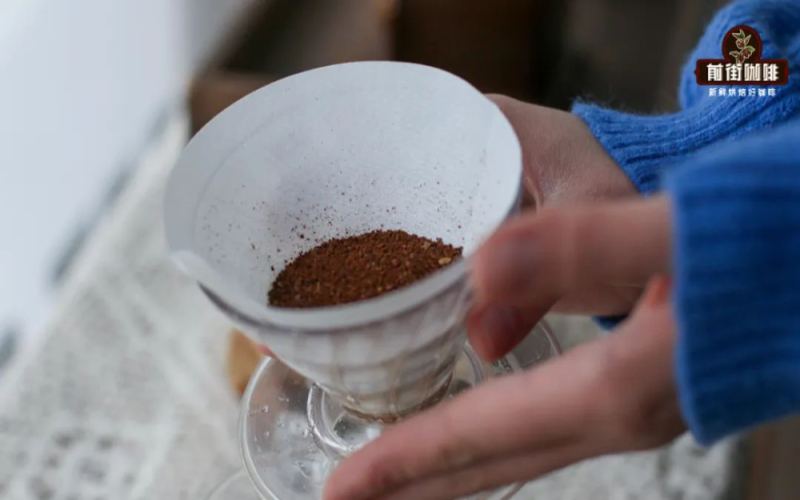
Why Shouldn't You Tap the Dripper When Leveling the Coffee Bed in Pour-Over? Analyzing the Real Impact of Fine Migration on Bloom Degassing
In pour-over coffee, keeping the coffee bed level is a prerequisite for even extraction, and many enthusiasts are in the habit of tapping or shaking the dripper to level the grounds. Yet hidden behind this gesture is an easily overlooked problem: the vibration causes fines to migrate downward through the gaps between the coarser particles, forming a dense layer at the bottom of the dripper while leaving fluffy coarse grounds on the surface. This structural change not only alters the appearance of the coffee bed but also directly affects the degassing effect during the bloom stage. Through comparison charts and actual brewing photos, this article breaks down in detail the changes in fines distribution caused by tapping the dripper, and explains their practical impact on subsequent brewing, to help you make more sensible judgments when leveling the coffee bed. [more…]
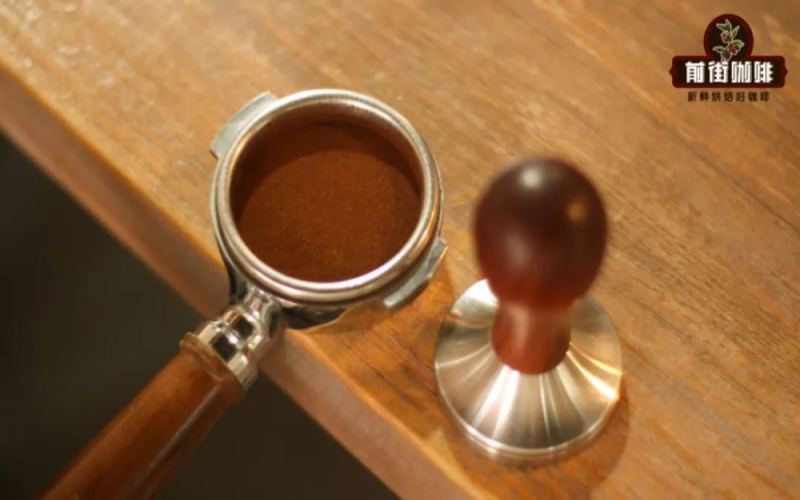
How to Choose the Tamping Pressure for an Espresso Tamper? Experimental Analysis Comparing Distribution Techniques for Fine vs. Coarse Grinds
Tamping is a seemingly simple yet highly debated step in espresso extraction. Some people give the tamper a gentle twist, just enough to level the bed, while others put their whole body into it, determined to compress the puck to the extreme. So how much force should actually be used? Do different grind sizes call for different tamping strategies? Front Street Coffee ran two sets of comparison experiments using coarse and fine grounds, tamping with a normal force of 1.5 kg and a full-force press of about 9 kg respectively, and recorded the difference in the time needed to extract 40 ml. The results showed that fine grounds are quite sensitive to changes in tamping force, while coarse grounds are almost unaffected. Through the experimental data, this article will help you understand the true role of tamping force and find the tamping method suited to different grind states. [more…]
Caturra Coffee Variety Full Analysis: From Bourbon Mutation to Central American Mainstay, Flavor Characteristics and Representative Beans
Caturra is a highly economically valuable natural mutation within the Bourbon lineage. With advantages such as a small plant size, suitability for dense planting, and no need for shade, it has become an important pillar of coffee-growing regions in Central America. In this article, from the perspective of Front Street Coffee, we will sort out the historical origins and variety characteristics of Caturra, and use its Colombian passion fruit enzyme washed Purple Caturra as an example to introduce the Huila region, the processing methods and brewing suggestions of Finca Monteblanco, helping coffee lovers gain a comprehensive understanding of the unique charm of this variety. [more…]
A Guide to Identifying Typica, Bourbon, and Common Arabica Varieties by Plant Morphology
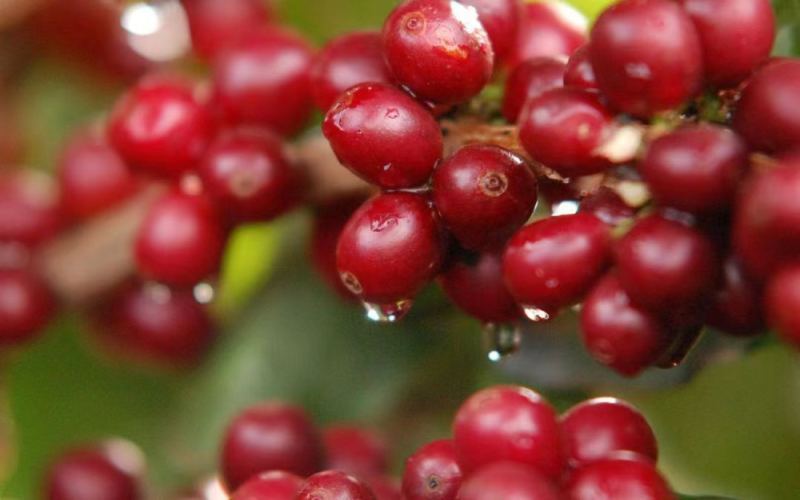
Getting to know what a coffee tree looks like is an interesting way to understand the differences between varieties. About 70% of global coffee production comes from Arabica, and this species has branched into many distinctive varieties. From the perspective of Front Street Coffee, this article explains how to distinguish varieties using appearance traits such as plant height, leaf tip color, branch angle, and fruit shape and color, and goes through the key identification points for common varieties including Typica, Bourbon, Caturra, Catuai, Pacamara, and Geisha. [more…]
A Comprehensive Analysis of the Caturra Coffee Variety: Characteristics, Advantages, Cultivation Distribution, and Flavor Profile of the Bourbon Mutation
Caturra is one of the most common coffee varieties in Central and South America. As a natural mutation of Bourbon, it has become the dominant variety in many producing regions thanks to its compact size, high yield, and ability to adapt to direct sunlight. This article will guide readers through a comprehensive understanding of this variety, covering Caturra's origin and discovery, its botanical advantages, its spread across Central and South America, and the typical flavors presented by the pure Caturra coffee beans from the Alasitas estate in Bolivia selected by Front Street Coffee. Whether you are just beginning to learn about coffee varieties or want to gain a deeper understanding of the relationship between Caturra and Catuai, this article offers clear and practical reference. [more…]
Bourbon Natural Mutation Caturra: From Variety Characteristics to Brewing Analysis of a Colombian Huila Washed Everyday Bean
Caturra is a natural mutation of Bourbon discovered in Brazil. With its high yield and strong disease resistance, it has become a common choice for large-scale cultivation. The plant is short with compact branching, and it maintains vigorous growth even under direct sunlight, which is why it is called "sun-grown coffee." In addition to Red Caturra and Yellow Caturra, there is also the rare Purple Caturra, which arose from a natural mutation of Red Caturra. In terms of flavor, Caturra typically exhibits bright acidity and medium body, often with lemon or citrus notes in the cup, while its sweetness is greatly influenced by fertilization management. Colombia is an important stage for Caturra, and Front Street Coffee's bean list also includes several Caturra coffees. This article covers the variety's background, the Colombian washed processing procedure, and the brewing parameters and flavor performance of a Huila everyday-drinking bean. [more…]
Analysis of the Moka Pot Extraction Principle and Key Operating Points: The Effect of Pressure Conditions on Crema Formation and Coffee Bean Selection Recommendations
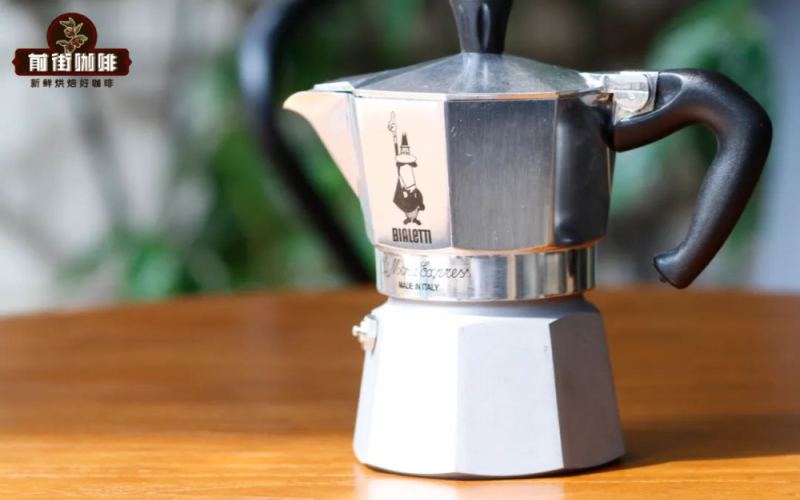
Since its invention in 1933 by Italian engineer Alfonso Bialetti, the moka pot has become a go-to device for many enthusiasts thanks to its compact, portable design and its ability to brew intense coffee. However, if you expect it to produce the kind of fine, long-lasting crema that an espresso machine delivers for latte art, you first need to understand the fundamental difference in pressure between the two. This article explains what coffee crema really is, the conditions a moka pot needs to extract crema, and how factors such as grind size, dose, and roast level affect the final result. It also draws on several Front Street Coffee beans to recommend medium-dark and medium roasts suited to the moka pot, helping you judge more clearly the limits of what a moka pot can achieve in terms of crema. [more…]
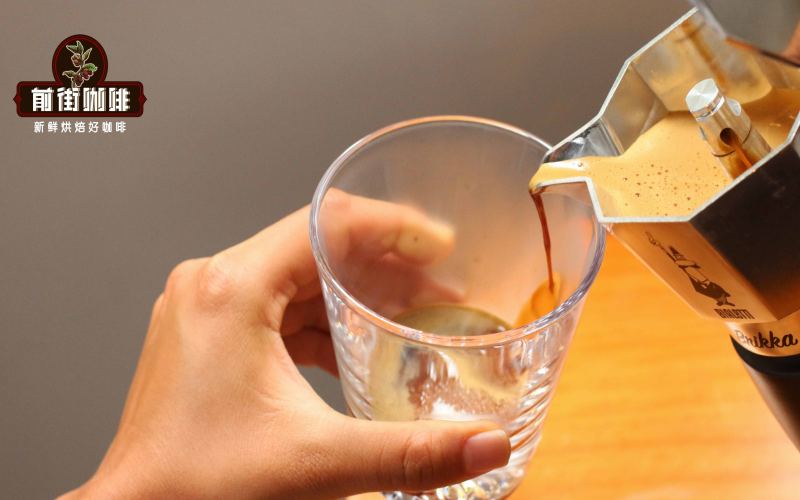
How much water should you add when brewing coffee with a moka pot? Can it be placed directly on the stove to heat? A complete operating guide
The moka pot is a popular choice among home coffee enthusiasts, favored for being compact and portable, easy to operate, and capable of producing rich coffee close to espresso. But many people have questions when using it: exactly how much water should be added? Can it be placed directly on the stove to brew? This article will provide a detailed breakdown of the correct moka pot operating process, from coffee bean selection, grind size, and filling method to heating and extraction. At the same time, we will also introduce two beans suitable for the moka pot, Front Street Coffee's Classic Blend and Brazil Queen's Estate, to help you easily make a cup of rich, full-bodied moka pot coffee. [more…]
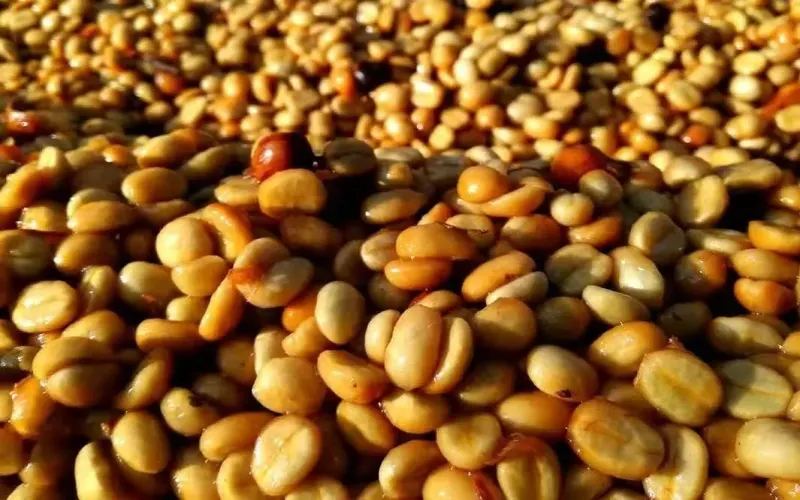
What makes Costa Rican honey-processed coffee so unique? Flavor profile and brewing analysis of Black Honey Caturra from Pilon Treatment Plant
Costa Rica, the birthplace of the honey processing method, has secured a significant place in the international market with honey-processed coffees known for their outstanding sweetness. Front Street Coffee recently selected a black honey processed Caturra from the Pilon Processing Plant in the Tarrazu region, and we're taking this opportunity to give everyone a deeper look into the unique sweetness that honey processing brings to coffee. This article will explore multiple dimensions, including the regional background of the Pilon Processing Plant, the history of the Caturra variety, the processing details of black honey, and the flavor profile and brewing recommendations of this bean, offering a complete picture of a quality black honey coffee from cultivation to cup. [more…]
A Detailed Guide to the Caturra Coffee Variety: A Natural Bourbon Mutation, Sun Exposure Characteristics, and Cupping Flavor Performance
Caturra is a natural mutation of the Bourbon variety, named for its short stature and compact branches, and it occupies an important position among coffee varieties. It originated in Minas Gerais, Brazil, and was later widely planted in Central America. Unlike traditional varieties such as Typica and Bourbon, Caturra does not require shade and can grow vigorously in the sun, which is why it is called "sun-grown coffee." Caturra is suitable for cultivation at altitudes of 700 to 1,700 meters, and the higher the altitude, the more pronounced its flavor, offering both bright acidity and aroma as well as good sweetness. This article will introduce in detail Caturra's discovery history, breeding process, cultivation advantages, and flavor characteristics, and combine Front Street Coffee's cupping and product information to help readers gain a comprehensive understanding of this variety. [more…]
Analysis of the Pacamara Coffee Variety in El Salvador: From Its Hybrid Origins of Pacas and Maragogipe to Its Flavor Expression in Guatemala
Pacamara is a precious variety bred by El Salvador's coffee research institute by crossing Pacas with Maragogipe, combining the dual advantages of the sturdy, stress-resistant Pacas and the giant-bean Maragogipe. Since the 19th century, the Pacas family has been deeply involved in the coffee industry, passing down through five generations and witnessing this variety's long journey from its cultivation in 1958 to its gradual promotion only in the late 1980s. This article will guide you through the story of Pacamara's discovery and cultivation, analyzing its flavor characteristics—the interweaving of a creamy mouthfeel, elegant acidity, and chocolate butterscotch sweetness—as well as its botanical features, including a medium-sized tree, large leaves, and elongated oval beans, providing coffee enthusiasts with a comprehensive reference for understanding this variety. [more…]
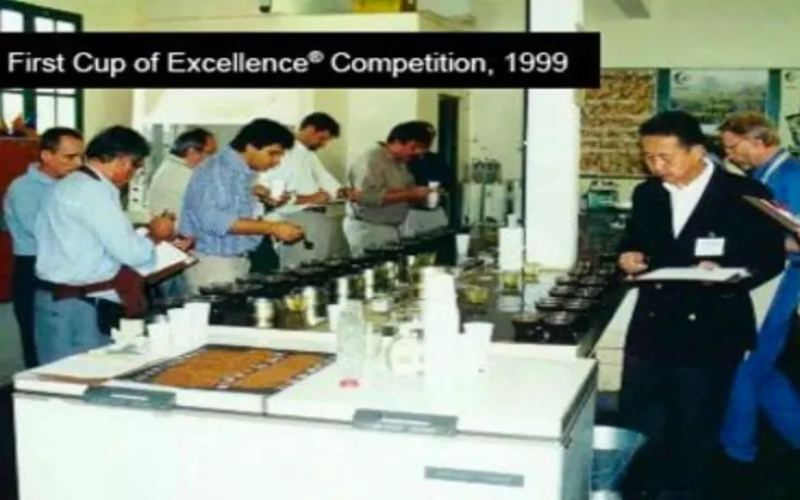
2024 Brazil Cup of Excellence Results Announced: A Comprehensive Analysis of the Rare Varieties Arará and Topázio
The Cup of Excellence (COE), one of the most authoritative specialty coffee competitions in the world, was founded in 1999 by the Alliance for Coffee Excellence (ACE), with the aim of providing a showcase platform for high-quality coffee from coffee-producing countries and helping coffee farmers earn higher incomes. The 2024 Brazil COE competition coincides with the 25th anniversary of the event's founding in Brazil, and the results have now been officially announced. This year's competition was once again divided into three categories: natural, washed and honey, and experimental processing. Among the winning varieties, rare varieties such as Arará and Topázio emerged, attracting widespread attention. This article will take you through an in-depth look at the origins and characteristics of these two varieties and their performance in the COE competition, while also highlighting related product information recommended by the Front Street Coffee brand. [more…]
A Complete Guide to Espresso Making: From Americano Comparison to Espresso Machine Operation Steps and Extraction Parameters
Espresso is the base for many drinks such as Americano, latte, and cappuccino, and its preparation relies on high-pressure hot water passing through a finely ground and compacted layer of coffee. From the perspective of Front Street Coffee, this article sorts out the extraction principles of espresso, compares the historical origins and ratio differences of Americano, introduces the flavor positioning of Front Street's four espresso blend beans, and provides extraction standards such as dose, yield, and time. Finally, it includes the seven-step process for in-store practice and extended drink-making methods, making it suitable for coffee enthusiasts who want to systematically master espresso preparation and bean selection ideas. [more…]
From Caturra to Catimor: The Origins, Characteristics, and Flavor Profiles of Common Coffee Varieties in the Americas
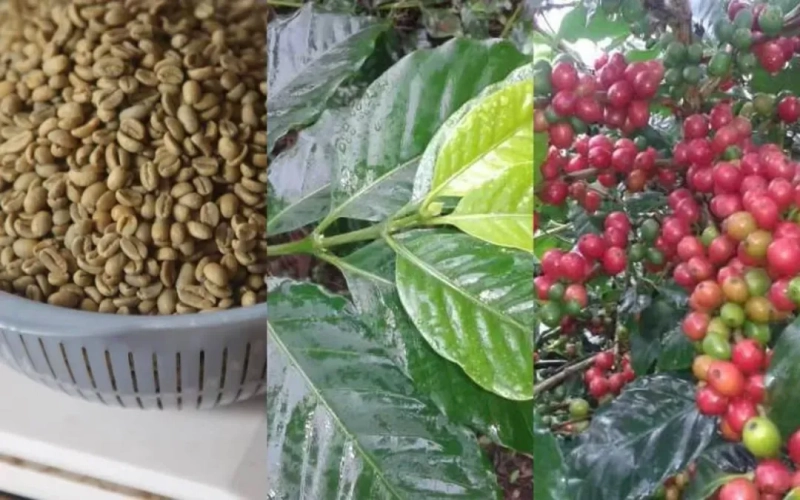
Coffee varieties continue to evolve through transplantation, mutation, and hybridization, and many of the cultivated varieties on the market today can be traced back to the two major systems of Typica and Bourbon. This article focuses on three important varieties commonly found in the Americas—Caturra, Catuai, and Catimor—sorting out their origins, plant morphology, cultivation adaptability, and cup flavor performance. Caturra originated from a natural dwarf mutation at Cuba's Pinar del Rio, Catuai was created by artificial hybridization of Mundo Novo and Yellow Caturra, and Catimor has Robusta lineage and therefore possesses some resistance to coffee leaf rust. The article also intersperses product information from Front Street Coffee's Colombia Huila, Elida Estate Catuai, and PWM Golden Mandheling for enthusiasts' reference. [more…]
Espresso Characteristics | What Is Crema in Italian Coffee Made Of? Espresso Extraction Method, Specific Steps, Flavor, Taste, and Drinking Guide
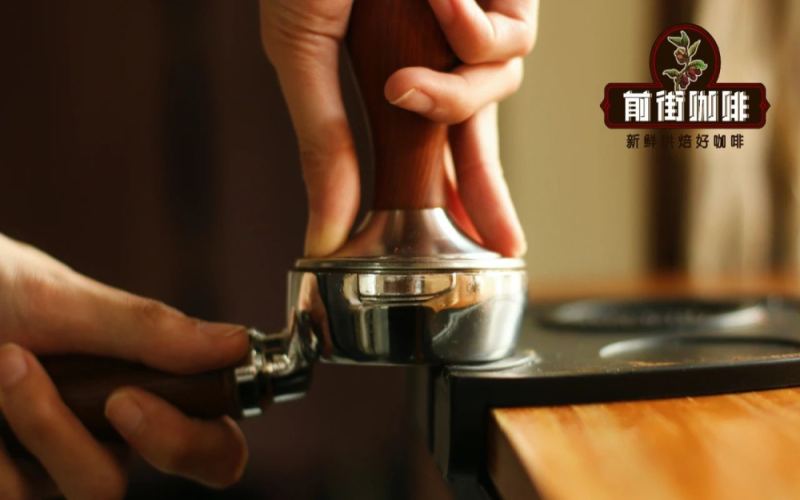
Front Street uses the "Front Street Classic Italian Blend" to make espresso. The baristas at Front Street Coffee (FrontStreet Coffee) will first dial in the extraction parameters for the espresso before they officially begin serving. Front Street uses a double-shot basket capacity, with a dose of approximately 18–20 grams. [more…]
Coffee Basics | What's the difference between Typica coffee and Bourbon coffee? How can coffee beginners distinguish Typica, Bourbon, Caturra, and Geisha coffee beans?
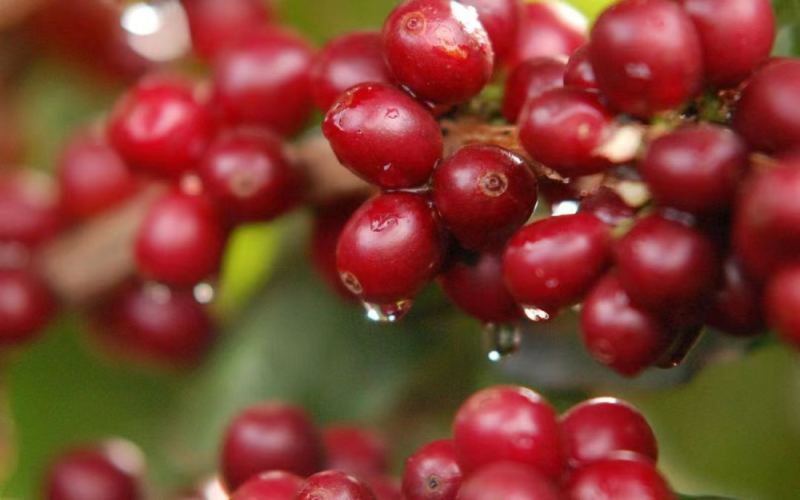
You may or may not know what a coffee tree looks like, what a Typica coffee tree is like, or how about the Bourbon dynasty? There are many types of coffee, but it is not always clear how they differ. Setting aside variations in flavor and profile, there are obvious physical differences between the plants. Let's not even mention the many forms of coffee trees. [more…]
The Golden Cup Extraction Rate for Espresso | How Can Coffee Beginners Make Espresso at Home? What Grind Size and Coffee-to-Water Ratio Should Be Used to Make Espresso?
Every day before Front Street opens for business, we adjust the espresso extraction parameters first before attending to anything else. This is because all other espresso-based drinks served at Front Street require espresso as their base, so you can imagine how important a delicious shot of espresso is. Espresso is made using a fully automatic/semi-automatic [more…]

How to Choose Espresso Beans? Key Points for Espresso Extraction and Front Street Coffee Blend Bean Recommendations
Espresso is the cornerstone of almost every coffee shop, and drinks like Americano, latte, cappuccino, flat white, and mocha are all built on it. To recreate a delicious espresso at home, bean selection and extraction are equally crucial. This article revolves around three questions: what type of coffee beans to use for making espresso, which suitable blends and single-origin beans Front Street Coffee offers, and the complete extraction process from dose, ratio, and time to operational details. The article will also explain the reasons behind crema formation, Front Street Coffee's practice of only shipping beans freshly roasted within 5 days, and include a specific recipe for an iced Americano for coffee enthusiasts to reference and practice. [more…]